
Note from the Editor: This second installment of Before Sending a Manuscript to an Editor series offers basic editing tips around time use of time. For Part 1: Self-Editing Techniques Click here. For Part 3: Time Sequencing and Flashbacks Click here
Clean Up Your Use of Time
This second post on self-editing revolves around the use of time. In the next post, I will write about time sequencing and flashbacks.
1. The historical present looks like the past, but it isn’t.
What tense are you going to use to narrate your story?
In today’s post, we look deeply into 3 techniques for better self-editing—obviously there are many more but these three are a start for a short post.
I have been a memoir editor since 1990. In that time, I have worked with hundreds and perhaps thousands of memoir manuscripts.
A few manuscripts have come to me requiring only slight tweaking. The texts are clear, coherent and concise. They are nearly ready for publication. Their authors have created an interesting and well-crafted piece of writing. They have clearly mastered better self-editing.
Too many other manuscripts, however, have come to me at a stage that reflects tired or exasperated writers. They seem to be saying I’m-ready-to-have-this-writing-over-with!
The challenge of self-editing
This may sound like a trick question, but it’s not. In fact, “who is your memoir narrator?” is a very serious question that will determine—or at least greatly influence—the tone and the theme of your narrative and how your reader views your story as being truthful.
Your choice of memoir narrator and the consequences of this choice.
“I just added a little bit of fiction to move the story along,” you say, to explain a memoir shortcut you have just taken, joining the ranks of such pseudo memoirist as James Frey in A Million Pieces?
Or, perhaps the ranks of Frank McCourt who fictionalized long dialogs in Angela’s Ashes. (No one remembers as much dialog as he tries to tell us he does years later from when he was six.)
Shouldn’t writing another person’s memoir be called writing biography rather than writing memoir? You the writer are, after all, not the subject. Doesn’t that make it a biography?
But, are there occasions when a biography can justly be called a memoir?
In one of my books, A Sugary Frosting / Life in a 1960s Parsonage, I used lifestories that my late wife Martha Blowen had composed—and to which I added text. And…
I called the finished book a memoir.
Was this appropriate?
How did I presume to call it a memoir and not a biography?
When telling the truth, how much of what happened do you have to tell? At what point does withholding the truth become a lie? For instance, in all her famous diaries, as Anais Nin celebrated the freedoms of her life as an artist, she never once mentioned that she was bankrolled by a husband. True, she could not mention his name or details of his life because he had refused her legal permission to do so in print. But wouldn’t the truth have been better served if she had mentioned the working husband who paid her bills and made her artistic life free of financial constraints possible?
Telling the truth is not easy
In that sense, her diaries have always seemed to me to contain a fundamental lie and avoided telling the truth. Nin clearly wanted her readers to believe that she lived independently as a woman and a writer. The fact of her husband’s support makes it evident that the self-sufficient persona she projected was wishful thinking. How much truth to tell is always a subjective decision that can be made only in the context of the writer’s life and family. The following are considerations to keep in mind as you decide how to solve telling the truth.
Without other people, our lives and our memoirs risk becoming dull. Although ideas are pivotal for many individuals, relationships are even more commanding. We are intrigued with who other people are and how they function. “Who’s that? What are they doing? Where did they come from?” These are question we want answered. To write a strong story, capitalize on this interest.
The people in your memoir are your characters. It is your job to bring vivid characters to the attention of your readers. To do so, use descriptive writing to present believable characters.
Many people mistakenly believe that characters in a story have to be well-known to be interesting. When they write their stories, they search their pasts for when they might have crossed paths with the famous. Consequently they write about when they were in the same elevator with some luminary back in 1978. This is not necessarily something that will make your story interesting. A representation of a vivid character is more likely to entice your reader.

Too Much Backstory–Are you making memoir writing more difficult than necessary?
When you overwrite a story by stuffing it with backstory—and many writers seem to want to tell their entire story in what ought to be a vignette—you disrespect chronology and drama and the reader’s patience. (more…)

Before Sending Your Manuscript To An Editor / Part 2: Use of Time
Clean up your use of time. This second post on self-editing revolves around the use of time. Proper use of time is crucial to understanding a memoir. (more…)

Better Self-Editing: 3 Easy Techniques
Writing can be a long and tedious task after the initial rush of creativity and enthusiasm. Once the glow fades, Pegasus drops the once-enchanted writer from the skies and—horrors—the writer now has to mount a pack mule to trudge the slopes of rewriting. (more…)

Who is Your Memoir Narrator?
This may sound like a trick question, but it’s not. In fact, “who is your memoir narrator?” is a very serious question that will determine—or at least greatly influence—the tone and the theme of your narrative and how your reader views your story as being truthful. (more…)

Have you ever succumbed to this memoir shortcut?
“I just added a little bit of fiction to move the story along,” you say, to explain a memoir shortcut you have just taken, joining the ranks of such pseudo memoirist as James Frey in A Million Pieces? Or, perhaps the ranks of Frank McCourt who fictionalized long dialogs in Angela’s Ashes. (No one remembers […]
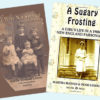
Writing Another Person’s Memoir: Can you use the first person pronoun?
Shouldn’t writing another person’s memoir be called writing biography rather than writing memoir? You the writer are, after all, not the subject. Doesn’t that make it a biography? But, are there occasions when a biography can justly be called a memoir? In one of my books, A Sugary Frosting / Life in a 1960s Parsonage, […]
Writing more Deeply: The pain in telling the truth
My new memoir, French Boy (due out in the summer of 2023), is about my childhood. Much about this time in my life has a context that is unique and consequently different from that of my contemporaries. This memoir has a place in the world of memoirs, and I want it to find that place, […]

Solving Problems of Telling the Truth in Your Memoir
Telling the truth is not always easy. How much of what happened do you have to tell in order to tell the truth? At what point does withholding the truth become a lie? For instance, in all her famous diaries, as Anais Nin celebrated the freedoms of her life as an artist, she never once […]

5 Better Ways to Describe The People in Your Memoir
Without other people, our lives and our memoirs risk becoming dull. Although ideas are pivotal for many individuals, relationships are even more commanding. We are intrigued with who other people are and how they function. “Who’s that? What are they doing? Where did they come from?” These are question we want answered. To write a […]